All Medicare-eligible consultations are bulk billed for patients with a valid Medicare card. Some items, including privately purchased vaccines and consumables, attract a fee.
Wound healing is much less mysterious than people assume, and largely comes down to four things. Tap each one.
Four things that matter
A cut that might have been closed neatly on the day often cannot be by day three, because the edges have already begun to heal apart. If it is gaping, deep, or you can see fat, come in today rather than watching it.
“I've cut myself and I think it might need closing.”Tetanus cover needs boosting every ten years, and sooner for a dirty or deep wound. If you cannot remember, say so — it is easier to give a booster than to guess.
“I'm not sure when I last had a tetanus shot.”Most dressings need to stay dry for the first day or two. A waterproof dressing helps, but soaking a wound in a bath, a pool or the ocean is how straightforward wounds become infected ones.
“How long do I need to keep this dry?”Wounds heal more slowly with diabetes and become serious more quickly, particularly on the feet. Any foot wound in someone with diabetes should be seen promptly rather than watched — that is not caution, it is the standard of care.
“I have diabetes and this is on my foot.”Open any of these for what it involves. The fracture clinic is run by Dr Ali Zubaidy and Dr Isaac Saqeb; most wound care happens with our nurses, with a doctor reviewing when needed.
Fractures
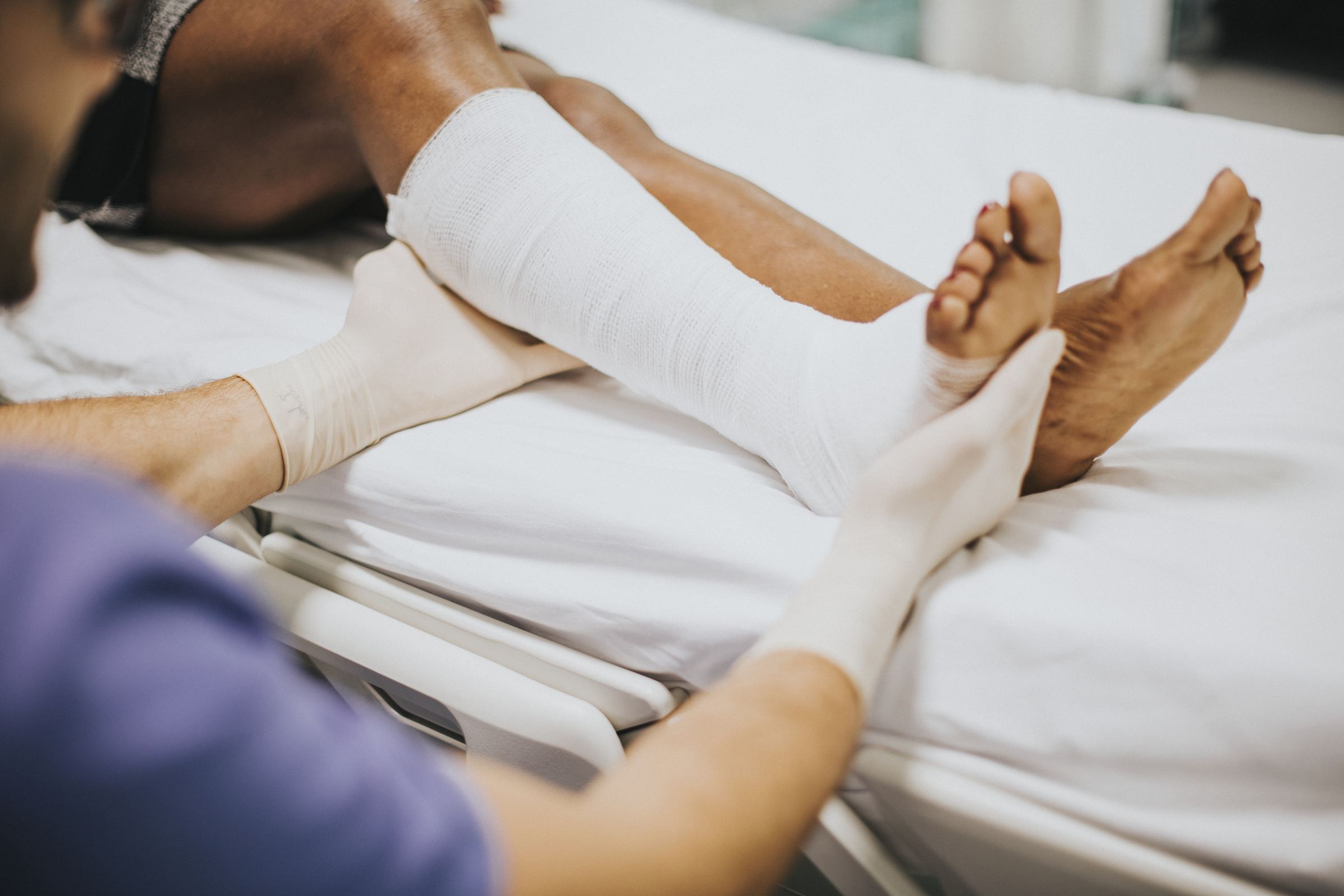
What happens A suspected broken bone or bad sprain is examined, an X-ray is arranged, and if it is a fracture that can be managed in general practice, it is splinted or cast here. Follow-up checks, repeat X-rays and removing the cast all happen here too.
Go to an emergency department or call 000 for a limb that looks deformed, bone through the skin, a numb or cold hand or foot below the injury, a suspected hip fracture, or a head, neck or back injury.
Our fracture clinic is run by Dr Ali Zubaidy and Dr Isaac Saqeb. Many common fractures, such as a broken wrist, finger, toe or ankle, can be managed in general practice, which saves a long wait in an emergency department and a trip out of the area for follow-up.
Not every fracture belongs in general practice. A badly displaced or open fracture, an injured hip, or a fracture that needs surgery is referred to hospital or to an orthopaedic surgeon, and your GP arranges that directly.
Sprains
What happens The joint is examined to tell a sprain from a fracture or a torn ligament, with an X-ray where it is needed, then strapped or supported and a plan made for getting back to normal.
A badly sprained ankle and a small fracture can look and feel much the same in the first few days. If you cannot put weight on it, or the pain is over the bone rather than the soft tissue, it is worth having it looked at.
Most sprains settle with rest, ice, compression and elevation in the first few days, followed by gradually getting moving again. A physiotherapy referral helps when recovery is slow.
Cuts
What happens The wound is cleaned and assessed, then closed with stitches, glue or adhesive strips depending on where it is and how deep. Tetanus cover is checked at the same time.
The timing matters more than most people realise. A wound closed within hours heals as a fine line; the same wound left for days often cannot be closed at all and heals as a wider scar.
Deep cuts to the hand or over a joint need checking for tendon and nerve damage, which is not always obvious to the person it happened to.
Burns
What happens The burn is cooled, assessed for depth and area, and dressed. Most minor burns heal well with the right dressing and the right pain relief.
Cool a burn under running water for twenty minutes. For burns to the face, hands, feet or genitals, across a joint, or larger than a palm, go to an emergency department.
Cool running water for twenty minutes is the single most useful thing anyone can do for a burn, and it still helps up to three hours afterwards. Not ice, not butter, not anything else.
Burns to the face, hands, feet, genitals or across a joint, and any burn larger than about a palm's size, should go to an emergency department rather than a GP.
After surgery
What happens Dressing changes, wound checks and stitch or staple removal after an operation, so you are not driving back to the hospital for a five-minute appointment.
Bring the discharge summary and any instructions from the surgical team. It tells us what was done and what they want watched.
If anything looks wrong, your GP contacts the surgical team directly rather than sending you back to sit in an emergency department.
Ulcers
What happens Ulcers are dressed, but more importantly the cause is worked out — venous, arterial, pressure or diabetic — because the dressing that helps one can make another worse.
Venous ulcers usually need compression. Arterial ulcers need circulation assessed first, because compression on a poorly supplied leg is genuinely harmful.
These take time. Regular review is the treatment as much as any particular dressing, and a care plan brings in subsidised podiatry where feet are involved.
Dressings
What happens A short appointment to change the dressing, look at how the wound is going and adjust what is being used as it heals.
Modern dressings are chosen for the stage the wound is at, and the right one changes as it heals. What is ideal in week one is often wrong by week three.
You are shown how to manage it at home where that is practical, which saves trips without compromising the wound.
Most wounds heal without trouble, and infected ones announce themselves fairly clearly. Tap a card.
Uncomfortable at first, then steadily less so. Expect these.
The pattern is the giveaway: things getting worse after day two rather than better.
If you have a red, spreading, painful wound with a fever, do not wait for a booked appointment. Ring us and say so, or go to an emergency department if we are closed.
From the moment it happens to the scar you are left with. Tap any card.
Clean water, firm pressure for bleeding, and twenty minutes of cool running water for a burn. Nothing else on it.
Flip backSame day if it is deep, gaping, dirty, on the face or a hand, or if you cannot remember your last tetanus shot.
Flip backHow deep, how clean, what is underneath, and whether anything is still in there. Deep hand wounds get checked for tendon damage.
Flip backThoroughly, and sometimes uncomfortably. A wound closed over dirt or grit is a wound that gets infected.
Flip backStitches, glue or adhesive strips, depending on the wound. Not everything should be closed — some wounds heal better left open.
Flip backChosen for the stage the wound is at, with instructions on keeping it dry and when to come back.
Flip backRegular checks while it heals, with the dressing changed as the wound changes. Ring earlier if anything worries you.
Flip backEvery wound leaves one. Sun protection and time do most of the work; ask about scar care once it has fully healed.
Flip backTap whatever applies and print it. It gives reception what they need to judge how quickly you should be seen.
Most dressing appointments are with our nursing team, with a doctor reviewing when the wound needs it. Either way you are seen promptly.
Our GPs hold general registration with AHPRA. Areas listed are special interests within general practice rather than recognised specialist registration. Every one of our doctors provides this. If the GP you usually see is booked, any of the others can help — your records are shared across the practice, so nobody is starting from scratch.
Pick your situation and what you're coming in for. We'll show you what to expect before you book.
What are you coming in for?
Figures shown are what you pay at the clinic for the appointment itself. Medicines, devices, imaging and specialist fees are set elsewhere. Reception will always confirm the cost with you before anything goes ahead.
Yes. Our fracture clinic, run by Dr Ali Zubaidy and Dr Isaac Saqeb, assesses suspected fractures and sprains, arranges X-rays, applies casts and splints, and handles follow-up and cast removal. Complex fractures are referred to hospital or orthopaedics.
Appointments are bulk billed on weekdays with a valid Medicare card. Casting materials, moon boots and some supports may attract a fee, and reception will tell you beforehand. Weekend arrangements differ, so please check when you book.
Yes, on weekdays, with a valid Medicare card, including dressing changes and stitch removal. Some specialised dressings may attract a small fee and reception will tell you beforehand. Weekend arrangements differ, so please check when you book.
The same day if it is deep, gaping, dirty, on the face or a hand, or if you cannot remember your last tetanus shot. Wounds close far better in the first few hours than after a couple of days.
If it has been more than ten years, yes — and sooner for a deep or dirty wound. If you cannot remember, we will give one, because guessing is not worth the risk.
Yes. Bring the discharge summary or any instructions from wherever they were put in, so we know what was done and when they are due out.
The pattern is the giveaway. Pain should be improving by day two, not worsening. Spreading redness, heat, thick discharge, a smell or a fever all mean ring us.
Usually not for the first day or two, and you will be told exactly. Showers with a waterproof dressing are generally fine after that; baths, pools and the ocean are not, until it is fully healed.
Yes. Any foot wound with diabetes should be seen promptly rather than watched. It is one of the few things in wound care where waiting genuinely changes the outcome.
Any wound that goes through the full thickness of skin leaves a scar. Keeping it out of the sun for the first year makes a real difference, and there are things worth trying once it has healed — ask at your review.
Only if the wound is infected or at high risk of becoming so. Most clean wounds do not need them, and taking antibiotics that are not needed has its own costs.
Often, yes, and you will be shown how. Some wounds need a trained eye on them regularly — your GP or nurse will tell you which yours is.

Those two things do most of the work. If anything about a wound worries you between appointments, ring — nobody minds looking at a wound that turns out to be fine.
Our fracture clinic, run by Dr Ali Zubaidy and Dr Isaac Saqeb, assesses suspected fractures and sprains, arranges X-rays, applies casts and splints and handles follow-up. Cuts, burns, ulcers and dressing changes are seen seven days a week.
You will find us at Shop 5, 2 Town Centre Circuit, Salamander Bay, inside the shopping centre, a few minutes from Nelson Bay, Corlette and Soldiers Point and an easy drive from Anna Bay, Medowie and Lemon Tree Passage.
Book online with HotDoc at any hour, or call (02) 4008 4400.

