All Medicare-eligible consultations are bulk billed for patients with a valid Medicare card. Some items, including privately purchased vaccines and consumables, attract a fee.
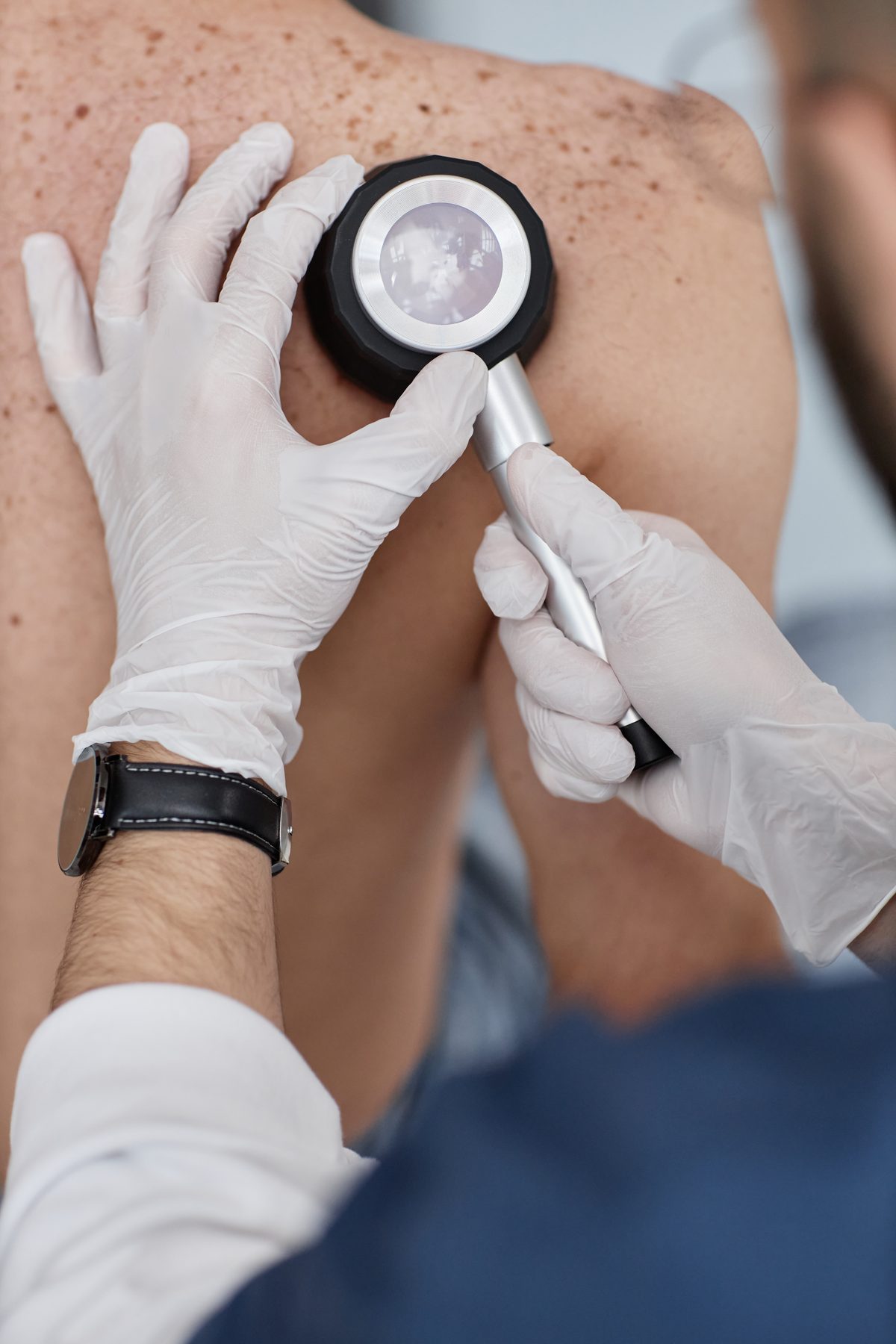
Minor procedures are straightforward, and a few things beforehand keep them that way. Tap each one.
Four things worth doing first
Warfarin, apixaban, rivaroxaban, clopidogrel, and sometimes aspirin. Most of the time these are continued, because stopping them carries its own risk — but your GP needs to know in advance so the plan is made deliberately.
“I'm on a blood thinner.”Say it is for a procedure when you book. The room needs setting up, the anaesthetic needs time to work, and nobody should be hurrying a set of stitches.
“I'd like a longer appointment for a procedure.”Loose clothing around the area, and nothing you would mind a spot of blood or antiseptic on. If it is on your back, a shirt that opens rather than one that goes over your head.
“I'll wear something easy to move.”Depending on where it is, you may need to keep it dry, avoid lifting, or skip the gym for a fortnight. Ask before you book if you have something coming up — a wedding, a holiday, a physical job.
“What should I avoid afterwards, and for how long?”Open any of these for what it involves. Nothing is removed without discussing it with you first.
Biopsy
What happens A small sample of the lesion is taken under local anaesthetic and sent to pathology. It answers what something is, which decides what — if anything — should happen next.
A shave biopsy takes the top layer. A punch biopsy takes a small core. An excisional biopsy removes the whole thing. Which is right depends on the lesion and what your GP suspects.
The area is numbed first, so you feel pressure rather than pain. Most biopsies take a few minutes and need either one stitch or none at all.
Excision
What happens The lesion is removed entirely along with a margin of normal skin around it, then the wound is closed with stitches. The whole specimen goes to pathology.
Where a skin cancer is suspected or confirmed, removing it completely with a margin is the treatment. The margin is what makes the difference between removed and mostly removed.
Several of our doctors perform more complex repairs where a simple closure is not possible, including flaps and grafts. Where a plastic surgeon is the better option — on the face, for instance — your GP will say so and refer you.
Lumps
What happens Sebaceous cysts, lipomas and other benign lumps are assessed and, where they are bothering you or growing, removed under local anaesthetic.
Most lumps under the skin are harmless. They still get removed when they catch on clothing, keep getting infected, or are simply growing in a way that makes everyone uneasy.
An infected cyst is usually treated first and removed later — removing it while it is inflamed makes for a worse scar and a harder job.
Small procedures
What happens Ingrown toenails, skin tags, abscesses that need draining, foreign bodies and splinters. Local anaesthetic, done here, and you walk out.
An ingrown toenail that keeps coming back is usually treated by removing a narrow strip of nail and treating the nail bed so it does not regrow into the skin.
Abscesses that need draining are best dealt with promptly rather than waiting to see whether antibiotics alone will do it.
Aftercare
What happens You leave with a dressing, written instructions and a follow-up appointment for stitch removal. Our nurses look after the wound in between if it needs it.
Most wounds heal without trouble. The ones that do not usually announce it early — increasing pain after day two, spreading redness, heat, or discharge — which is why you are told what to watch for.
Ring us if anything worries you. Reviewing a wound that turns out to be fine is a perfectly good use of an appointment.
Both are routine. Which one you get depends on what your GP is trying to find out. Tap a card.
A sample, taken to answer the question of what something is.
The whole lesion removed, with a margin, in one go.
Bulk billed for patients with a valid Medicare card on weekdays. Weekend arrangements differ — please check with reception.
Start to finish, so none of it is a surprise on the day. Tap any card.
What is being done, why, what the alternatives are and what the scar will look like. You can change your mind at any point, including after the consent form.
Flip backA small injection of local anaesthetic. This is the part people mind — it stings for a few seconds and then the area goes numb.
Flip backYour GP makes sure the area is properly numb before starting. Say so if it is not. Nothing proceeds until you are comfortable.
Flip backA few minutes for a biopsy, longer for an excision. You feel pressure and movement but not pain.
Flip backStitches where they are needed, then a dressing. Your GP will tell you how long the stitches stay in — it varies a great deal by location.
Flip backLabelled and sent to pathology the same day. Results come back to the clinic in about a week.
Flip backWritten instructions, a dressing, and a follow-up appointment already booked. Take simple pain relief if you need it.
Flip backYou are contacted either way. If anything further is needed, it is arranged and explained properly rather than left in a letter.
Flip backTap whatever applies and print it. Some of these genuinely change how the procedure is planned.
Several of our doctors perform both simple and more complex excisions here. Ask reception which of them is doing procedure lists this week.
Our GPs hold general registration with AHPRA. Areas listed are special interests within general practice rather than recognised specialist registration. Where a plastic surgeon or dermatologist is the better route — on the face, or for anything complex — your GP will say so and refer you.
Pick your situation and what you're coming in for. We'll show you what to expect before you book.
What are you coming in for?
Figures shown are what you pay at the clinic for the appointment itself. Medicines, devices, imaging and specialist fees are set elsewhere. Reception will always confirm the cost with you before anything goes ahead.
The local anaesthetic stings for a few seconds. After that the area is numb and you feel pressure and movement rather than pain. Tell your GP if you feel anything sharp — more anaesthetic is not a problem.
Biopsies and excisions done for a clinical reason are bulk billed on weekdays with a valid Medicare card. Some consumables may attract a small fee, and purely cosmetic removals are not covered. Reception will always tell you before anything goes ahead.
Any excision leaves a scar. Your GP will explain what to expect for that particular spot before you agree to anything, and will be honest about it — especially on the face, where the trade-off matters most.
Usually not. Stopping carries its own risk, and most minor procedures can be done safely while you continue. Tell your GP what you take well before the day so the decision is made deliberately rather than in the moment.
Often, for small lesions. Larger or more complex ones are booked as a longer appointment, usually soon after. Ask at your skin check and your GP will tell you which applies.
It depends on the location — around five to seven days on the face, up to two weeks on the back or a limb. Your GP will tell you, and the removal appointment is booked before you leave.
Usually about a week. We contact you either way, not only when something is found, and book a follow-up if one is needed.
A second procedure to take a little more. That is a normal part of the process rather than a sign anything went wrong, and your GP will explain exactly what it involves.
Yes, but purely cosmetic removal is not a Medicare item, so it is charged privately. If there is any clinical concern about the lesion, that changes and it is covered. Your GP will be honest about scarring first.
Yes. These are done under local anaesthetic with no sedation, so you are not impaired. The exception is a procedure on your foot or your right leg — ask your GP.

If something needs removing, having it done here saves a referral, a wait and a trip. Ask at your next appointment what it would involve.
Skin biopsies, excisions, cysts and ingrown toenails are done under local anaesthetic in our treatment room, and everything removed goes to pathology. Stitch removal and wound checks happen here too.
We are in Salamander Bay Shopping Centre with free parking, and patients come from across Port Stephens and the Tomaree Peninsula, including Nelson Bay, Corlette, Soldiers Point, Anna Bay, Lemon Tree Passage and Medowie.
Book online with HotDoc at any hour, or call (02) 4008 4400.
From the health journal

