All Medicare-eligible consultations are bulk billed for patients with a valid Medicare card. Some items, including privately purchased vaccines and consumables, attract a fee.
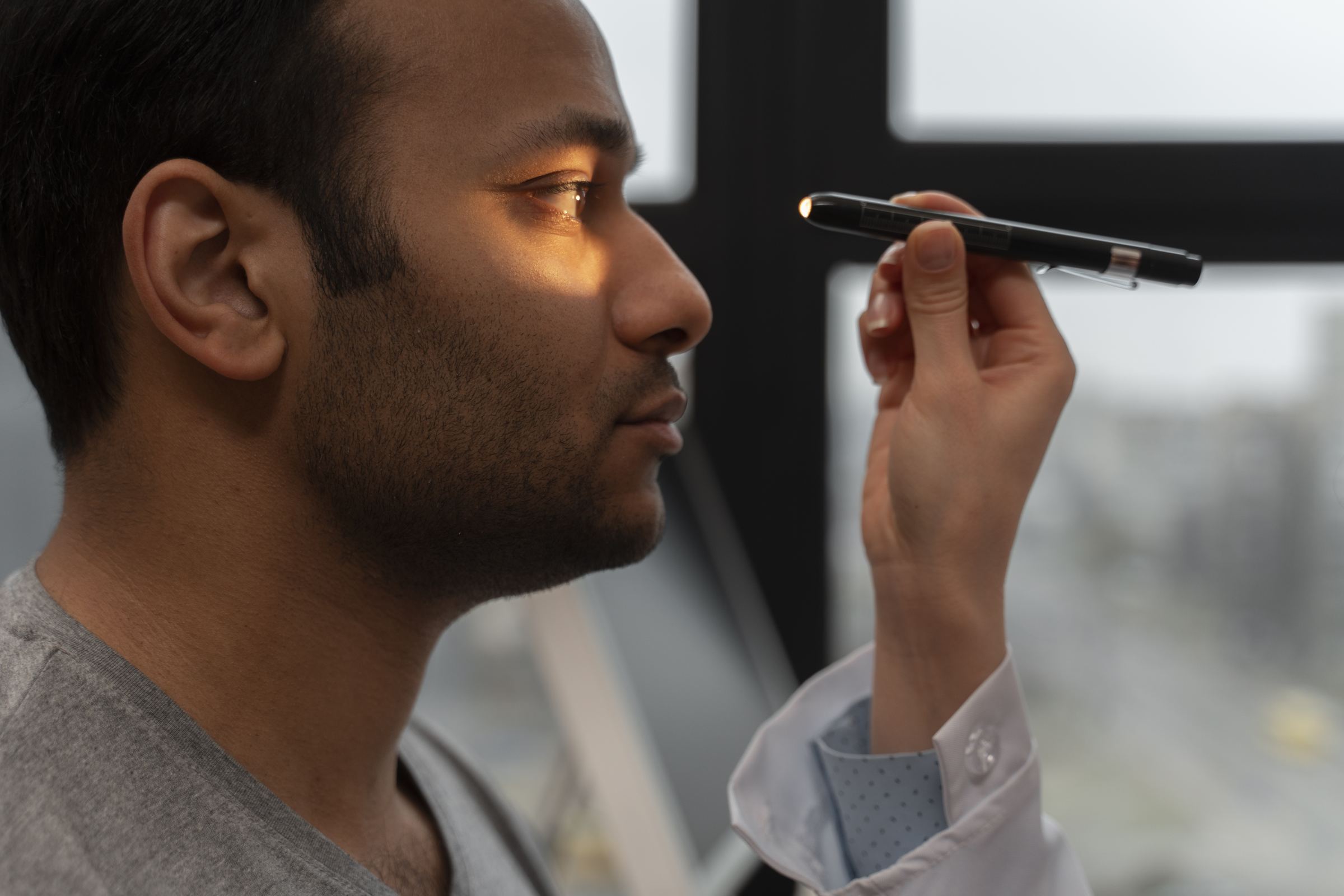
A health assessment covers a lot of ground, and a little preparation makes it go much further. Tap each one.
Four things worth doing first
A full medication review is one of the most valuable parts of the assessment, and it only works from the actual boxes. Vitamins, herbal preparations and anything a specialist started all count.
“I've brought everything I take.”Energy, memory, balance, hearing, vision, appetite, sleep, mood, how far you can walk. Slow changes are the ones people stop noticing, and they are exactly what the assessment is designed to catch.
“Here's what's changed over the last year.”Heart disease, diabetes, cancer and stroke in parents and siblings all change what is worth screening for and when. A rough idea is better than nothing at all.
“Here's what runs in my family.”A partner or an adult child often notices things you have adjusted to, and they will remember the plan afterwards. You are welcome to bring someone, and an interpreter can be arranged.
“I'd like to bring someone with me.”Open any of these for what it involves. The exact content depends on which assessment you are eligible for, but the shape is the same.
Overview
What happens A structured run through your medical history, current conditions, symptoms you may not have mentioned, and how well everything is actually being managed.
Ordinary appointments deal with the thing that brought you in. An assessment is the opposite — it is the appointment where nothing in particular brought you in, so everything gets a look.
This is frequently where something long-ignored gets raised for the first time, because there is finally room for it.
Medication
What happens Every medicine you take reviewed together — what it is for, whether it is still needed, whether the dose still suits you, and whether anything interacts.
Medication lists grow over years, added to by different doctors for different reasons. Nobody stands back and looks at the whole list unless a GP does it deliberately.
Stopping something that is no longer needed is as much a part of good care as starting something new, particularly as people get older.
Prevention
What happens A check of which national screening programs you are eligible for and overdue for, plus the vaccinations recommended at your age.
Bowel, breast and cervical screening, and diabetes and cardiovascular risk assessment, all have recommended intervals that are easy to lose track of.
The assessment catches the ones you are overdue for and arranges them, rather than leaving it to chance.
Day to day
What happens For older adults particularly, an honest look at mobility, balance, falls risk, continence, memory, hearing, vision and how you are managing at home.
These are the things that determine whether someone stays independent, and they are almost never raised in a fifteen-minute appointment about something else.
Where something is found, the assessment leads to something practical — a physiotherapy referral, a home safety assessment, a hearing test, or a conversation about support at home.
Wellbeing
What happens Direct questions about mood, sleep, alcohol, isolation and how you are coping — because none of these get raised unless someone asks.
Low mood and isolation are common, treatable and routinely missed, particularly in older people and particularly in men.
An assessment is one of the few appointments with room to ask properly and time to do something about the answer.
Health assessments are Medicare items with specific eligibility. Tap a card to see the main ones.
The two most common, and the ones most people mean when they ask.
Medicare also funds assessments for particular groups, regardless of age.
Bulk billed for patients with a valid Medicare card on weekdays. Weekend arrangements differ — please check with reception.
Tap any card for what that part of the appointment involves.
Ring reception and ask whether you are due. They will check your age and eligibility and book the right length of appointment.
Flip backMuch of the assessment is done by our nurse first — measurements, questionnaires and the structured history. It is unhurried and not a test.
Flip backEvery medication in its box, your glasses and hearing aids if you use them, and any specialist letters from the last year.
Flip backYour doctor goes through what the nurse has gathered, examines what needs examining, and talks through what it all means.
Flip backBlood tests, an ECG, or other investigations arranged where they are indicated rather than as a matter of routine.
Flip backA written summary of what was found and what should happen — the practical output of the whole appointment.
Flip backPhysiotherapy, podiatry, audiology, psychology, a specialist or a home assessment, arranged where something has been found.
Flip backA shorter appointment to go through results and check the plan is underway. For the 75+ assessment, the next one is a year later.
Flip backTap whatever applies and print the list. An assessment is the appointment with room for all of it.
Health assessments are done by our nurse and your GP together. Filter by who you would rather see.
Our GPs hold general registration with AHPRA. Areas listed are special interests within general practice rather than recognised specialist registration. Every one of our doctors provides this. If the GP you usually see is booked, any of the others can help — your records are shared across the practice, so nobody is starting from scratch.
Pick your situation and what you're coming in for. We'll show you what to expect before you book.
What are you coming in for?
Figures shown are what you pay at the clinic for the appointment itself. Medicines, devices, imaging and specialist fees are set elsewhere. Reception will always confirm the cost with you before anything goes ahead.
Yes, on weekdays, for eligible patients with a valid Medicare card. Weekend arrangements differ, so please check with reception. Any tests arranged as a result are handled in the usual way — most pathology is bulk billed by the laboratory.
The main groups are people aged 75 and over, people aged 45 to 49 at risk of chronic disease, Aboriginal and Torres Strait Islander people of any age, people with an intellectual disability, and refugees and humanitarian entrants. Ring reception and they will check.
The 75 and over assessment is annual. The 45 to 49 assessment is generally a one-off. Others have their own intervals, which your GP will explain.
Usually around an hour in total, often split between our nurse and your GP. It is deliberately unhurried — the value is in having time to cover everything.
No, quite the opposite. The point is to look at everything while nothing in particular is wrong, which is when there is the greatest chance of finding something early.
It gets followed up properly — tests, a treatment plan, a referral, or a care plan. The assessment is the start of something rather than a report you take away.
Part of the 75 and over assessment can often be done at home by our nurse, particularly where getting to the clinic is difficult. Ask reception whether that is possible for you.
Yes, and it often helps. A partner or adult child may notice changes you have adjusted to, and they will remember the plan afterwards. An interpreter can be arranged.
No, though they often go together. An assessment looks at everything and identifies what needs attention. A care plan is a written management plan for chronic conditions that brings subsidised allied health with it.
Ring reception on (02) 4008 4400 and ask — they can check your eligibility and your last assessment date, and book you in for the right appointment.

Most of what shortens lives in Australia is found on an ordinary day, in someone who was not feeling unwell at the time.
A long, funded appointment that looks at the whole picture: blood pressure, heart and diabetes risk, screening that is due, medicines, mood, memory and how you are managing day to day.
We are in Salamander Bay Shopping Centre with free parking, and patients come from across Port Stephens and the Tomaree Peninsula, including Nelson Bay, Corlette, Soldiers Point, Anna Bay, Lemon Tree Passage and Medowie.
Book online with HotDoc at any hour, or call (02) 4008 4400.
From the health journal

