All Medicare-eligible consultations are bulk billed for patients with a valid Medicare card. Some items, including privately purchased vaccines and consumables, attract a fee.
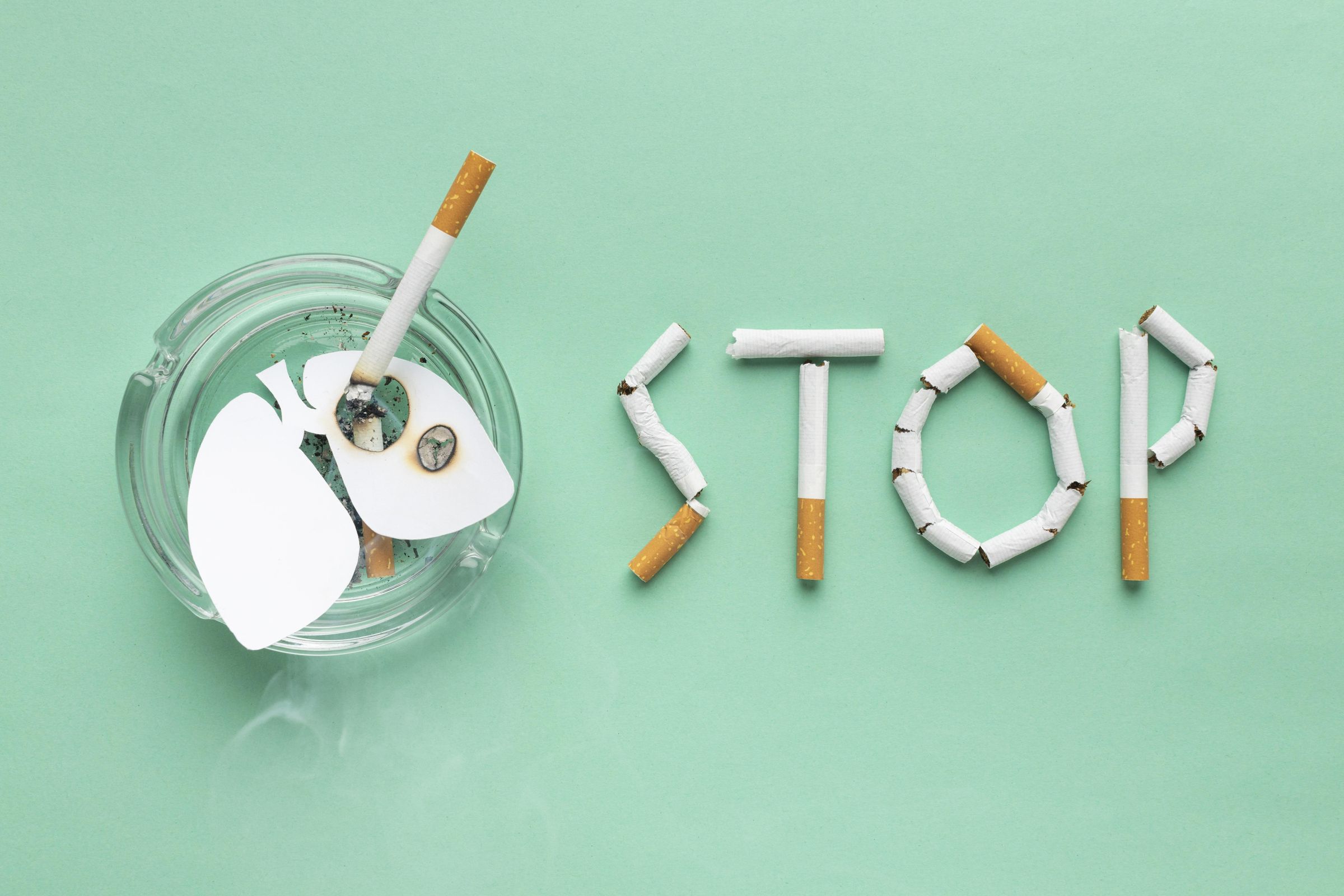
Stopping is a medical problem with medical treatments, not a test of character. Tap each one.
Four things worth knowing
What you used, how long you lasted, what brought you back. That tells your GP a great deal about what to try differently this time, which is why it is worth going through rather than glossing over.
“Here's what happened last time I tried.”Nicotine replacement or prescription medication plus behavioural support has substantially better results than either on its own. It is not that willpower does not matter — it is that it works better with help.
“I'd like both — something to take and some support.”Many people who vape are still nicotine dependent, often at higher doses than they realise, and the long-term effects are not fully known. If stopping vaping is the goal, that is a legitimate one and the same treatments apply.
“I want to stop vaping, not just smoking.”There is dosing to work out, side effects to explain and a plan to make. Some treatments are started a week or two before you stop, so the appointment needs to come first.
“I'm thinking of stopping in a couple of weeks.”Open any of these for what it involves. Most people do best with a combination rather than one thing alone.
NRT
What happens Patches, gum, lozenges, inhalers and mouth sprays, generally combined — a patch for the background craving and something faster for the spikes.
Using a patch alone is the most common way NRT gets under-used. Combining a patch with a faster-acting form works considerably better, and the dose is often set too low.
Some forms are available on the PBS with a prescription, which makes a meaningful difference to the cost over the weeks it is used.
Medication
What happens Your GP assesses whether a prescription medication to help with stopping is appropriate, and explains how it works, what the side effects are and how long it is taken for.
Prescription options exist and can be effective, though they are not suitable for everyone — other conditions, medications and mental health history all affect the decision.
Availability has changed over recent years. Your GP will tell you what is currently available and what applies to your situation.
Support
What happens Referral to Quitline and practical work on the habits — the triggers, the routines and the moments that are hardest, which are different for everybody.
Quitline is a free telephone and online service with trained counsellors, and people who use it alongside treatment do better than those who use treatment alone.
Your GP also works through the practical side: which situations are the risky ones for you, and what you will do instead in those specific moments.
Vaping
What happens Assessment of how much nicotine you are actually getting, and the same treatments applied — because vaping dependence responds to the same approaches.
Nicotine concentrations in vapes vary enormously and many people are considerably more dependent than they expect, which is why stopping abruptly often fails.
Young people who vape are a particular concern, and the conversation is had without judgement. Parents are welcome to book an appointment for a teenager who wants to stop.
Recovery
What happens Your GP goes through what improves and roughly when, and checks the things worth checking — blood pressure, lung function and cardiovascular risk.
The improvements begin within days and continue for years. Knowing the timeline helps during the fortnight when it is hardest and nothing feels different yet.
Spirometry before and repeated later gives you something measurable, which some people find more motivating than general encouragement.
Some of this is well established and some of it is folklore. Tap a card.
The combination that has the best evidence behind it.
Common approaches that have less behind them than people expect.
Bulk billed for patients with a valid Medicare card on weekdays. Weekend arrangements differ — please check with reception.
Tap any card for what that part of the visit involves.
An ordinary appointment is enough to start. Say it is about stopping smoking or vaping so enough time is set aside.
Flip backHow much, for how long, and what has happened on previous attempts. None of this is asked to make a point.
Flip backHow soon after waking you have the first one is one of the most useful questions, because it helps set the right dose.
Flip backNRT, prescription medication, Quitline and behavioural support — and which combination suits your situation.
Flip backChosen by you, usually a week or two ahead so treatment can be started first. Avoid a week you already know will be difficult.
Flip backYour triggers, what you will do instead, who you will tell, and what to do about the moments you already know will be hard.
Flip backThe hardest stretch. A follow-up appointment in this window makes a real difference to whether the attempt holds.
Flip backReview appointments as long as they help. A lapse is information about what to adjust, not a reason to stop trying.
Flip backTap whatever applies and print the list. The honest answers are the useful ones.
This is everyday general practice and all of our doctors do it. Filter by who you would rather see.
Our GPs hold general registration with AHPRA. Areas listed are special interests within general practice rather than recognised specialist registration. Every one of our doctors provides this. If the GP you usually see is booked, any of the others can help — your records are shared across the practice, so nobody is starting from scratch.
Pick your situation and what you're coming in for. We'll show you what to expect before you book.
What are you coming in for?
Figures shown are what you pay at the clinic for the appointment itself. Medicines, devices, imaging and specialist fees are set elsewhere. Reception will always confirm the cost with you before anything goes ahead.
Yes, on weekdays, for patients with a valid Medicare card — including follow-up appointments. Weekend arrangements differ, so please check with reception. Nicotine replacement and prescription medications are charged by the pharmacy; some are available on the PBS with a prescription.
Yes. Most people who stop successfully have made several attempts, and each one teaches something about what to do differently. Coming in after a previous attempt is the normal path rather than an awkward admission.
Combining treatment with behavioural support works considerably better than either alone. Within nicotine replacement, using a patch together with a faster-acting form such as gum or spray works better than a patch on its own.
Some nicotine replacement products are available on the PBS with a prescription, which reduces the cost over the weeks you use them. Your GP will tell you what applies and write the script during the appointment.
Vaping is generally considered less harmful than smoking, but that is not the same as safe, and the long-term effects are not fully known. Many people who vape remain nicotine dependent at higher doses than they realise. If your goal is to stop nicotine entirely, that is a reasonable goal and we can help with it.
Yes. Book an appointment — they can come alone or with you, and the conversation is had without judgement. Young people who want to stop are treated with the same options as adults, adjusted for age.
Many people gain some weight after stopping, largely because appetite increases and taste improves. It is worth planning for rather than being surprised by, and the health benefit of stopping substantially outweighs the effect of a modest weight gain.
The physical withdrawal is worst in the first week and largely settles over two to four weeks. Situational cravings — the ones tied to a coffee, a drink or a particular moment — can surface for much longer but get briefer and less frequent.
A free telephone and online counselling service, available across NSW on 13 7848. People who use it alongside treatment do better than those who use treatment alone. We can refer you, or you can ring them yourself.
Come back. A lapse tells you something about what needs adjusting — the dose, the timing, the plan for a particular situation. It is not evidence that it cannot be done, and nobody here will treat it that way.

Some treatments are started a week or two before you stop, so the appointment works best a little ahead of the day you have in mind.
Your GP combines medication where it helps with support from Quitline, and previous attempts are useful information rather than failures. Book an appointment before you pick a quit date.
The clinic is inside Salamander Bay Shopping Centre at Shop 5, 2 Town Centre Circuit, with free parking, and is a short drive from Nelson Bay, Corlette, Soldiers Point, Anna Bay, Shoal Bay, Fingal Bay and Medowie.
Book online with HotDoc at any hour, or call (02) 4008 4400.

